




What Problems Do Self-Cleaning Sensors Solve in Water Treatment?
In short, self-cleaning sensors solve three major problems encountered across the water treatment sector:
- Inaccurate readings due to fouling
- High maintenance
- Increased costs
Pi recently supported the upgrade of a water treatment works with Nanjing Water Group in China. This upgrade had three main aims; to obtain more accurate turbidity and chlorine readings, to reduce the level of maintenance the current system demanded, and to save money where possible.
How Do Self-Cleaning Sensors Prevent Fouling In Water Treatment?
Self-cleaning sensors prevent fouling in water treatment in a variety of ways- some use mechanical methods such as wipers to clean the sensor face but these sensors have associated consumables that have to be replaced often (e.g. wiper blades). Other methods include blasts of air, but this is generally more suitable for applications that do not experience high levels of fouling, and finally chemical cleaning systems which also have associated added costs. Pi’s AutoClean feature provides high quality, reliable cleaning with none of these drawbacks. It consists of a single cap that fits on to the end of the sensor that directs the flow of clean water across the sensor face, blasting away any buildup or fouling. The cleaning is controlled by a single valve positioned in an easily accessible location. With no moving parts that can break, easy to use, and no chemical costs, Pi’s AutoClean function was the perfect addition to the upgraded system for Nanjing Water Group.
Do Self-Cleaning Sensors Reduce Maintenance?
The main advantage of self-cleaning sensors over non-cleaning sensors is that they reduce maintenance. However, self-cleaning sensors still require periodic manual checking and calibration to ensure they are working properly. The system installed with Nanjing Water Group uses Pi’s CRONOS® instrument controller to automate the sensor cleaning process reducing maintenance. The frequency of the jet of water that sprays over the sensor face is user defined and specific to each site. If the controller encounters an issue, an alarm alerts the operator, and the necessary action can be taken. Self-cleaning sensors do heavily reduce the amount of manual maintenance needed in a water treatment works.
Are Self-Cleaning Sensors Worth The Investment For Utilities?
In almost all cases self-cleaning systems are worth the investment for water utilities. Pi’s AutoClean function not only reduces labour costs (due to reduced maintenance), but it also saves on chemical costs. The high quality cleaning means that sensors are less likely to foul and therefore drift, reducing the chances of chemical overdosing. The continuous accurate monitoring from the CRONOS® also helps the system stay within compliance limits, avoiding hefty fines.
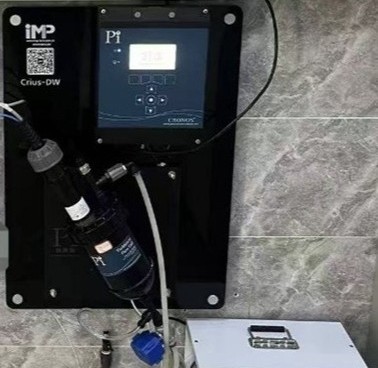
The upgrade with Nanjing Water group was carried out by Pi’s Chinese distributor IMP. Operators on site have reported positive feedback on the system, claiming it is working well and achieves all three aims they set out to achieve: obtain more accurate readings, reduce maintenance, and reduce costs.
“I have installed hundreds of Pi’s water quality analysers but am still learning the extent of the intelligence behind them. It seems wherever other’s equipment fails, Pi’s systems are always succeeding.”
Hu, IMP Engineer
To learn more about Pi’s cleaning options, click here. To see which cleaning option is best for your application, contact us here.
Related Posts
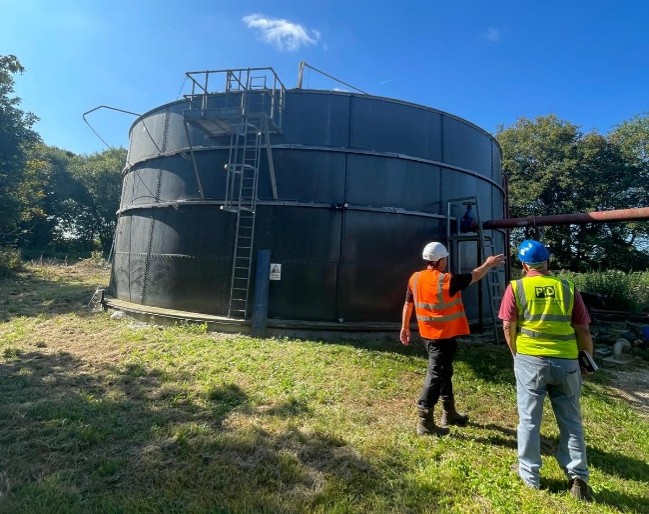
June 12, 2026
How Can Multiparameter Monitoring Support Effluent Compliance in Food and Beverage Manufacturing?
How Can Multiparameter Monitoring Support Effluent Compliance in Food and Beverage Manufacturing? Food and beverage…
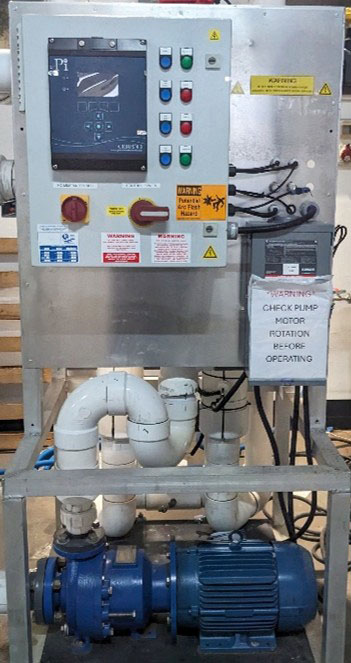
May 18, 2026
Why Are PLCs Becoming a Problem for Some Chemical Dosing Systems?
Why Are PLCs Becoming a Problem for Some Chemical Dosing Systems? PLCs are everywhere, and…
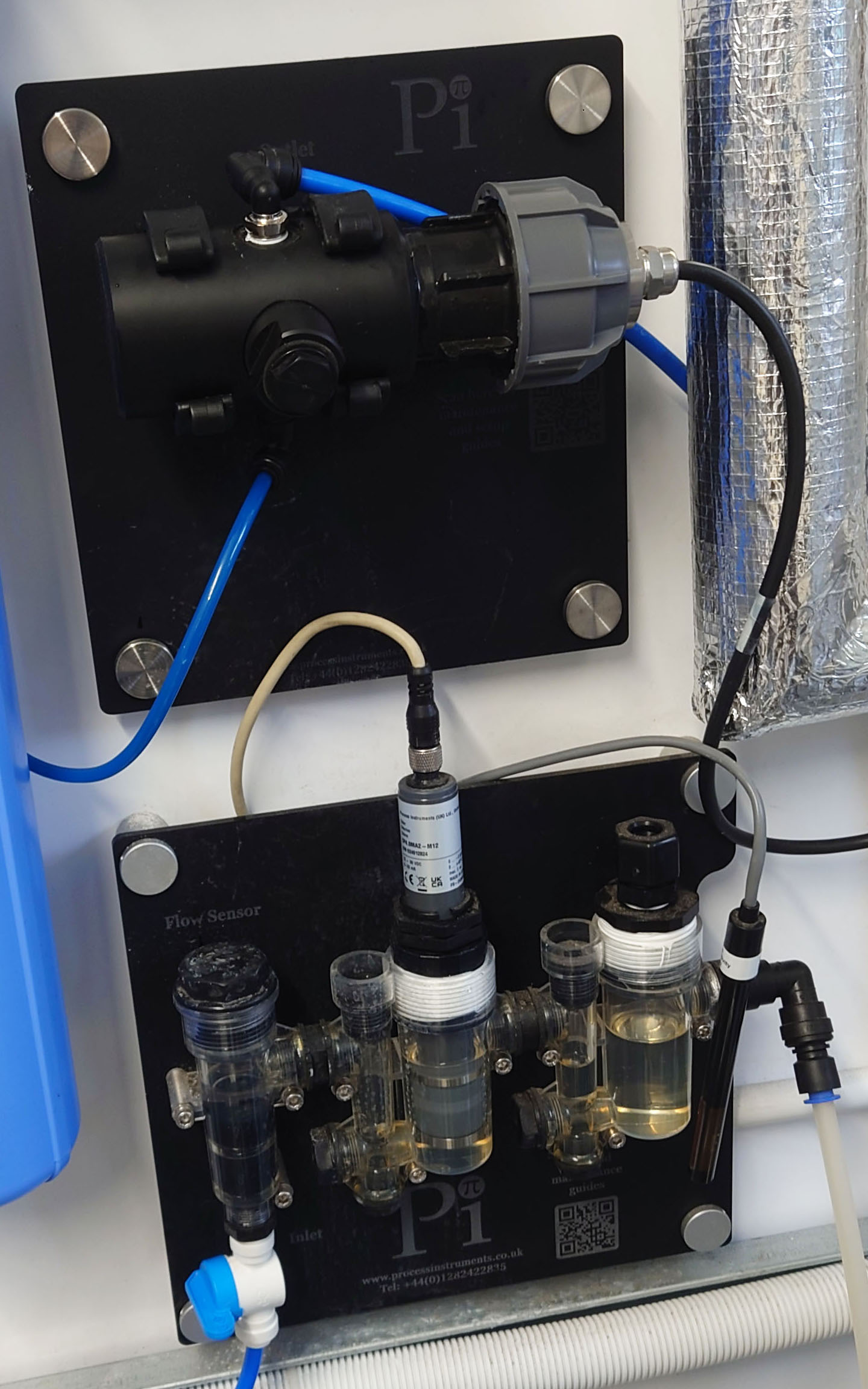
May 11, 2026
Renal Dialysis Water Quality Monitoring in UK Healthcare Facilities
Renal Dialysis Water Quality Monitoring in UK Healthcare Facilities Renal dialysis water treatment systems are…
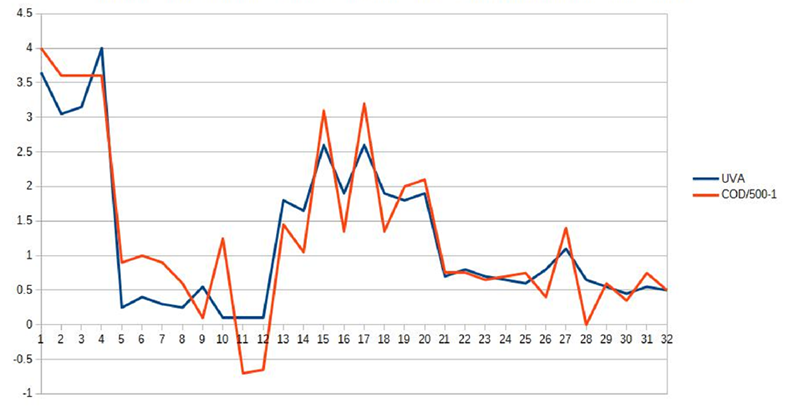
March 11, 2026
What Is Chemical Oxygen Demand (COD) and Can UV254 Be Used to Measure It in Wastewater?
What Is Chemical Oxygen Demand (COD) and Can UV254 Be Used to Measure It in…