




How to Control Chlorine and pH Levels in Food Processing Wash Water?
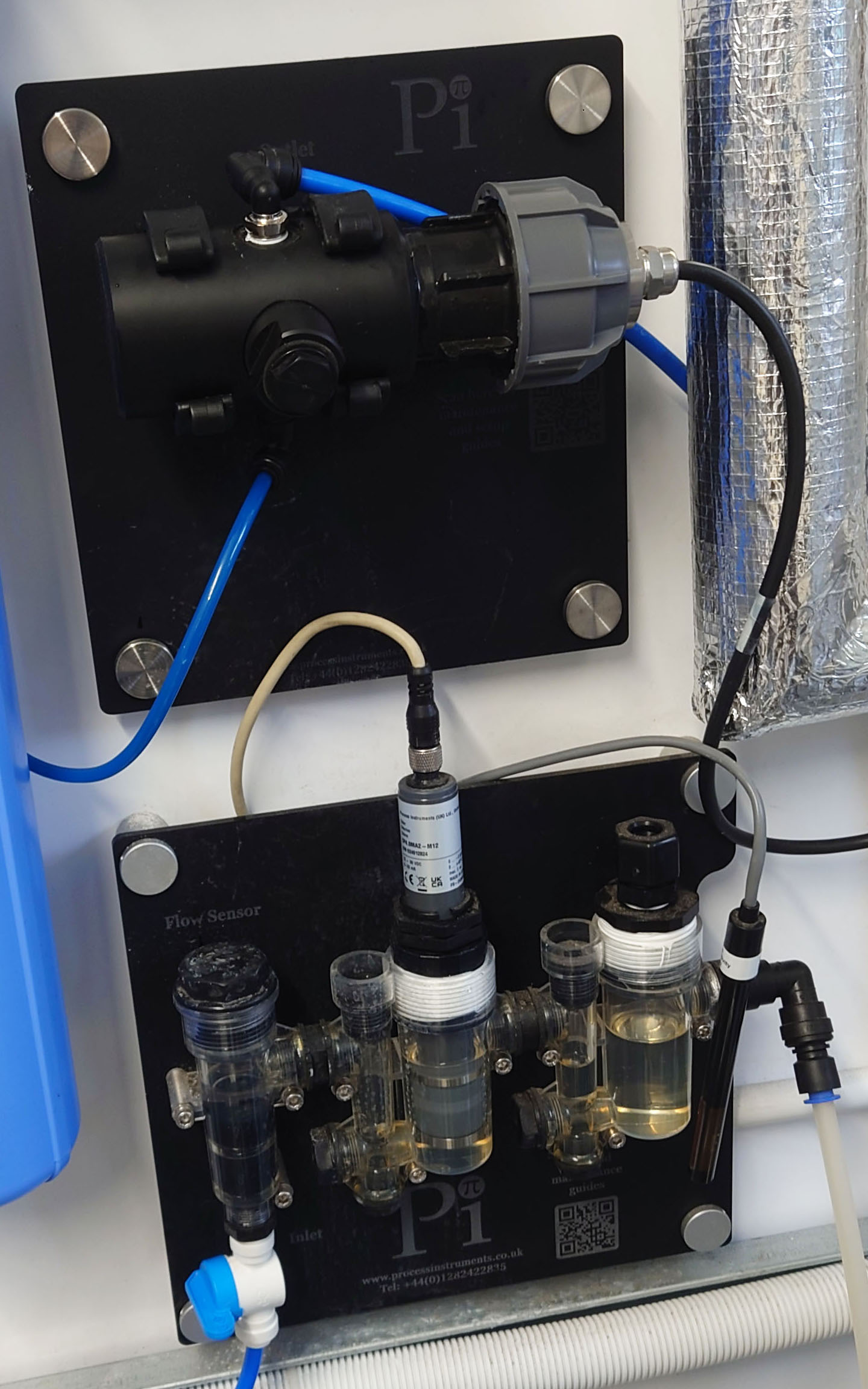
Pi recently supported TCK Produce in Hayes, London with the installation of chlorine and pH monitoring equipment for their food preparation process. This was the first Pi system installed at the site, and the goal was to improve the accuracy and consistency of chlorine and pH control within the wash-water used during food handling.

TCK Produce receives mains water from Thames Water and doses it to approximately 200 ppm chlorine before use. A second dosing point maintains chlorine at greater than 180 ppm within the food dip tank. Pi’s HaloSense is an amperometric chlorine sensor that is insensitive to changing pH, uses no reagents, is extremely stable and has reduced maintenance and whole life costs.
Pi assisted with the installation in November 2025, ensuring the system was set up, calibrated, and fully integrated into the existing dosing arrangement. After installation, the site reported immediate control over the system, helping maintain stable wash-water conditions throughout production.
Why Are Chlorine Levels Controlled in Food Processing?
Chlorine plays a major role in food washing because its concentration directly affects the sanitising strength of the wash-water. At TCK Produce, dosing the incoming water to around 200 ppm free chlorine ensures a consistent starting level before the water enters the preparation line.
In the dip tank, maintaining chlorine above 180 ppm gives operators confidence that the water meets customer requirements for product quality and hygiene. This approach ensures that chlorine levels remain high enough to support consistent disinfection even when organic load or water demand varies during production without overdosing, which can lead to produce damage and taste and smell complaints.
Why Is pH Monitoring Essential Alongside Chlorine Control?
The effectiveness of chlorine is closely linked to pH. When pH is stable, chlorine behaves more predictably in solution, and its disinfection potential is maintained. TCK Produce monitors pH to ensure that the chlorine they dose performs consistently throughout the washing process.
Consistent pH control also supports stable chlorine readings, helping operators accurately maintain the >180 ppm target in the dip tank without unnecessary adjustments or over-dosing.
How Does Automated Monitoring Improve Food Wash-Water Control?
Combining chlorine and pH monitoring allows operators to react immediately to changes in wash-water conditions. Automated systems help ensure that:
- Chlorine levels stay within the required range,
- pH remains stable for predictable chlorine performance,
- Wash-water meets customer quality expectations,
- Dosing is controlled rather than reactive.
This was reflected in TCK Produce’s feedback, which highlighted the immediate improvement in process control following installation. TCK Produce also expressed interest in adding ORP control for sodium metabisulphite used in dechloramination, expanding the parameters they plan to automate.
Pi supports food preparation sites across the UK with reliable chlorine and pH monitoring solutions designed to improve wash-water consistency, reduce manual intervention, and support compliance. Contact us to learn more.
Related Posts
July 13, 2026
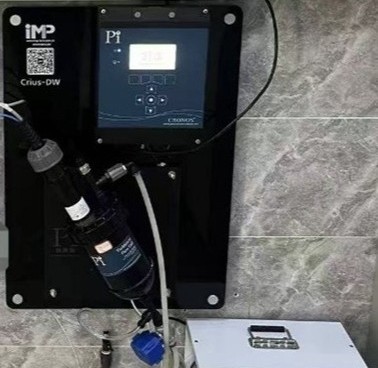
What Problems Do Self-Cleaning Sensors Solve in Water Treatment?
What Problems Do Self-Cleaning Sensors Solve in Water Treatment? In short, self-cleaning sensors solve three…
June 12, 2026
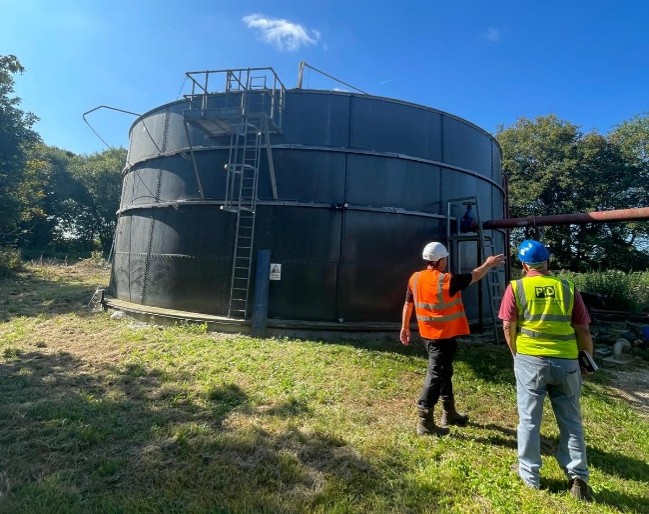
How Can Multiparameter Monitoring Support Effluent Compliance in Food and Beverage Manufacturing?
How Can Multiparameter Monitoring Support Effluent Compliance in Food and Beverage Manufacturing? Food and beverage…
May 18, 2026
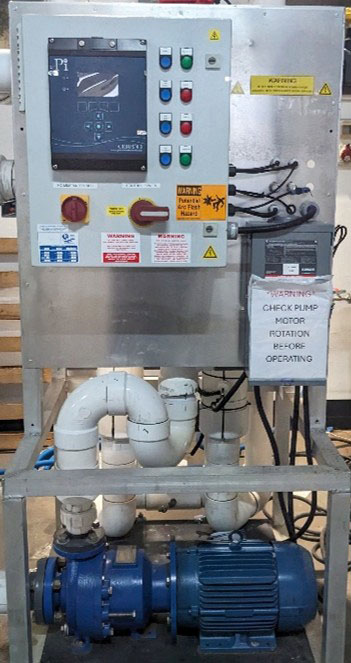
Why Are PLCs Becoming a Problem for Some Chemical Dosing Systems?
Why Are PLCs Becoming a Problem for Some Chemical Dosing Systems? PLCs are everywhere, and…
May 11, 2026
Renal Dialysis Water Quality Monitoring in UK Healthcare Facilities
Renal Dialysis Water Quality Monitoring in UK Healthcare Facilities Renal dialysis water treatment systems are…