




Why Are PLCs Becoming a Problem for Some Chemical Dosing Systems?
PLCs are everywhere, and for good reason. They are reliable and well understood. But in practice, many teams are finding that PLC-based systems are becoming harder to justify, especially as systems become larger or more demanding.
The most common issue is cost. PLC hardware itself is expensive, and once you factor in proprietary modules, licensing, and specialist engineering time, the total cost quickly grows. Even small changes can involve new hardware, reprogramming, and site visits.
Complexity is another major challenge. Over time, PLC systems often grow organically. Logic becomes harder to follow, documentation falls behind reality, and fault-finding turns into guesswork. When something goes wrong, diagnosing the issue can take far longer than expected.
All of this feeds into downtime. Updates usually require planned outages, and unplanned faults can take entire systems offline. For processes that need to run continuously, this downtime is not just inconvenient, it is costly.
What Is Driving the Search for Alternatives to PLCs?
Many teams are not actively trying to “remove PLCs”. Instead, they are reacting to repeated operational issues.
They want systems that are cheaper to build and easier to maintain. They want to make changes without triggering major outages. They want clearer visibility of what the system is doing and why. Above all, they want control systems that do not become harder to manage every year they are in service.
This has led some organisations to look beyond traditional PLC-based approaches, particularly where flexibility and availability matter more than sticking to familiar patterns.
What is the alternative to a PLC?
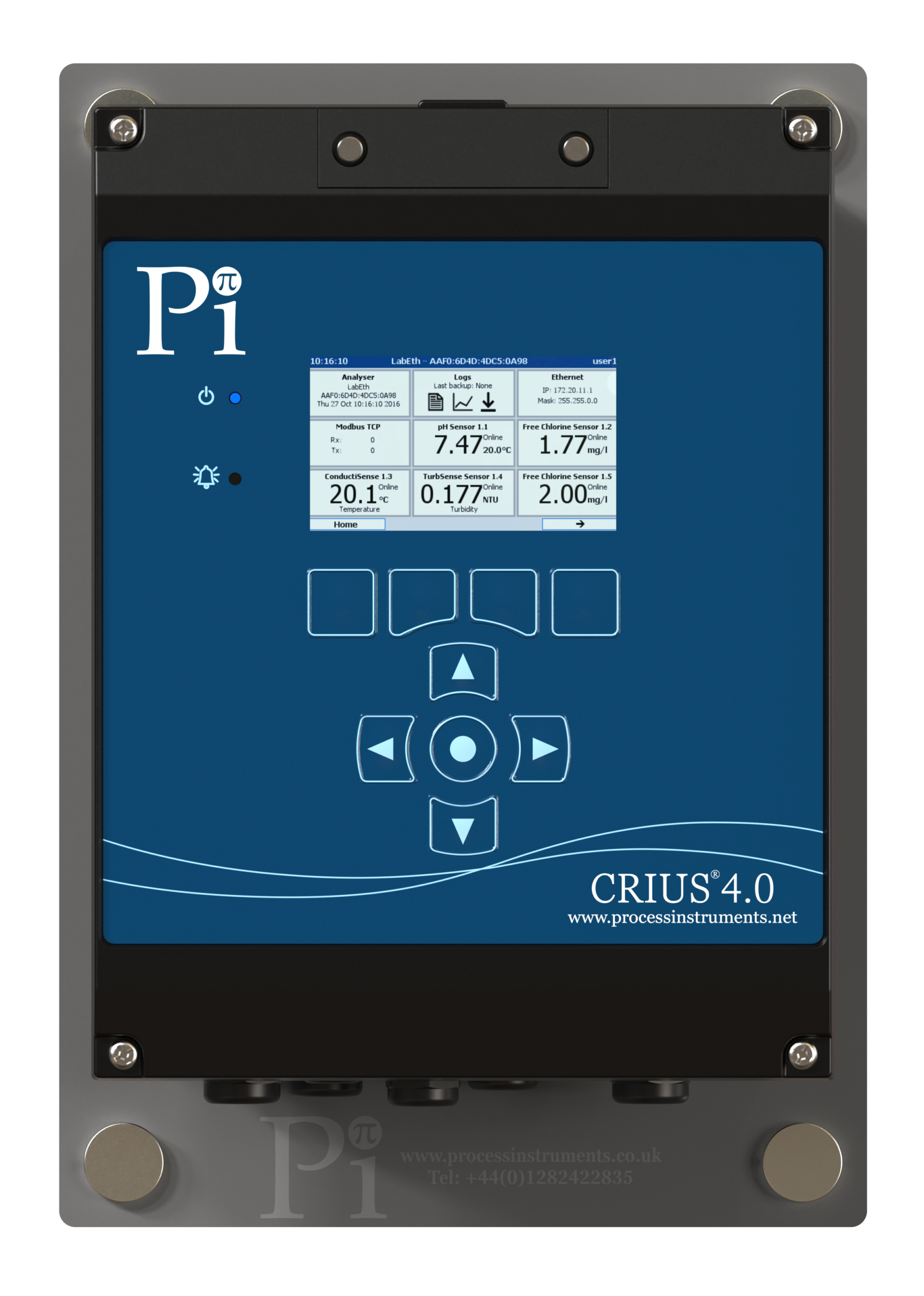
In short, Pi’s CRIUS®4.0 instrument controller was developed to address exactly these kinds of problems.
Rather than adding more layers to an already complex PLC setup, the CRIUS®4.0 provides a simpler control platform that reduces reliance on expensive, proprietary PLC hardware. Systems built and controlled by the CRIUS®4.0 are easier to understand, easier to change, and less costly to own over time. The whole system is controlled from one single unit via the simple, user-friendly interface. If necessary, changes can be made by operators on site, reducing the costs and downtime associated with engineer callouts. Alternatively, Pi’s engineers can remotely access the CRIUS®4.0 on site (with customer permission) and depending on the issue take necessary action without ever having to visit!
The result is lower complexity and less downtime, without introducing unnecessary risk.
Has Replacing a PLC Actually Been Proven?
Yes.
The CRIUS®4.0 is already used as a direct replacement for a PLC in countless operational systems around the world.
How the CRIUS®4.0 replaced a PLC on a ClO2 Generation Site
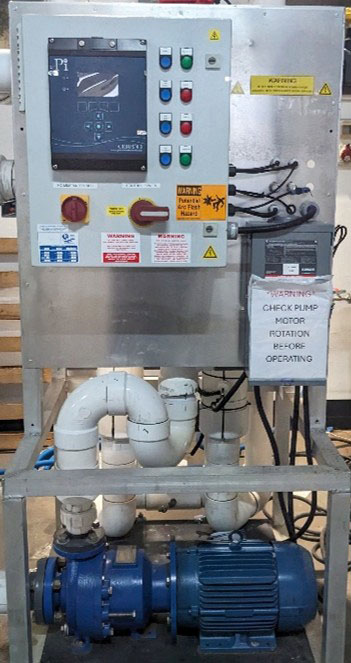
At a ClO2 generation site in Slovakia, the CRIUS®4.0 replaced the PLC by changing how control complexity was handled rather than simply moving the same logic onto different hardware. The ClO₂ generation system involves multiple stages, operating limits, and safety conditions that had previously been managed through an increasingly complex PLC program. Over time, this made the system harder to understand, harder to modify, and slower to recover when issues occurred. By using the CRIUS®4.0 instead of a PLC, the control system was structured in a clearer, more manageable way, making system behaviour easier to follow and changes easier to introduce without increasing risk. Operators gained better visibility into what the system was doing, engineers spent less time untangling logic during faults, and updates could be made with less disruption to operations. The result was a simpler, more resilient control system that met the site’s operational and safety requirements while reducing downtime and long-term support burden.
Can a CRIUS®4.0 replace all PLC Systems?
No. CRIUS®4.0 is an extremely capable instrument controller with I/O, logic gates, ‘if and or’ functionality, data logging, remote access, PID control, etc. Some PLC applications require more hardware and programmability then the CRIUS®4.0 can offer. However, whenever there is a capability overlap and a control philosophy can be implemented in a PLC or a CRIUS®4.0, the CRIUS®4.0is almost always a simper, more robust, and resilient option.
Why not try it yourself? Contact one of our application specialists today.
Related Posts
July 13, 2026
What Problems Do Self-Cleaning Sensors Solve in Water Treatment?
What Problems Do Self-Cleaning Sensors Solve in Water Treatment? In short, self-cleaning sensors solve three…
June 12, 2026
How Can Multiparameter Monitoring Support Effluent Compliance in Food and Beverage Manufacturing?
How Can Multiparameter Monitoring Support Effluent Compliance in Food and Beverage Manufacturing? Food and beverage…
May 11, 2026
Renal Dialysis Water Quality Monitoring in UK Healthcare Facilities
Renal Dialysis Water Quality Monitoring in UK Healthcare Facilities Renal dialysis water treatment systems are…
March 11, 2026
What Is Chemical Oxygen Demand (COD) and Can UV254 Be Used to Measure It in Wastewater?
What Is Chemical Oxygen Demand (COD) and Can UV254 Be Used to Measure It in…